01
MES Modernization
Modernize legacy manufacturing execution environments while preserving critical production workflows.

Build connected, intelligent manufacturing operations with AI, Industrial IoT, cloud, data and automation.
The Shift to Intelligent Manufacturing

The Shift to Intelligent Manufacturing
Manufacturers are moving beyond disconnected machines and legacy systems toward connected, AI-enabled operations. Programming.com helps enterprises integrate AI, Industrial IoT, edge computing, cloud, data and automation across the manufacturing lifecycle.
What We Build
Build connected manufacturing environments that bring together enterprise systems, Industrial IoT, AI, automation and real-time data across the factory floor and enterprise
Core Manufacturing Systems
Service 01 / 08
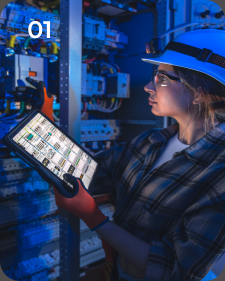
Modernize production execution with real-time tracking, work orders, OEE, traceability, shop-floor applications and digital workflows.
Service 02 / 08
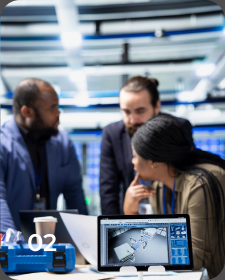
Connect production planning, inventory, procurement and business operations through custom ERP capabilities and enterprise integrations.
ExploreService 03 / 08
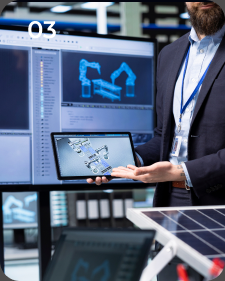
Connect machines, sensors and industrial equipment to capture real-time data and enable faster operational intelligence at the edge.
ExploreService 04 / 08
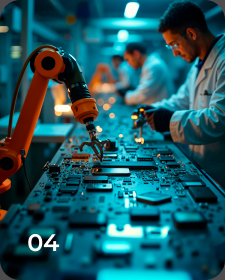
Build connected factory environments that integrate machines, automation, workflows and real-time operational visibility.
Intelligent Manufacturing
Service 05 / 08
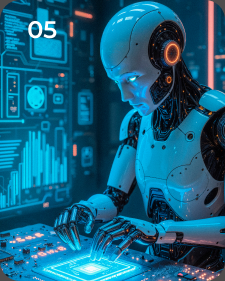
Apply AI copilots, AI agents, predictive analytics and intelligent planning to automate decisions and complex manufacturing workflows.
ExploreService 06 / 08

Use computer vision and AI to automate inspection, detect defects, improve quality control and strengthen production intelligence.
Service 07 / 08
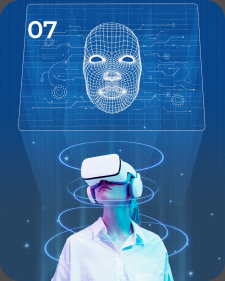
Create virtual models of equipment, production lines and facilities to simulate scenarios, identify bottlenecks and support better decisions.
Service 08 / 08
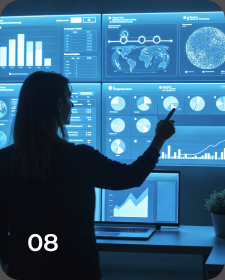
Turn machine and sensor data into predictive insights that help anticipate failures, improve asset performance and reduce unplanned downtime.
From factory-floor integration to AI-powered intelligence, we engineer the capabilities needed to modernize and connect complex manufacturing operations.
01
Modernize legacy manufacturing execution environments while preserving critical production workflows.
02
Connect enterprise applications with machines, PLCs, SCADA, MES and industrial data platforms.
03
Apply computer vision and AI to automate inspection and identify defects earlier.
04
Turn machine and sensor data into predictive insights that help reduce downtime.
05
Create digital representations of assets, processes and facilities for simulation and decision support.
06
Build connected manufacturing environments with real-time visibility, analytics and intelligent automation.
Why Programming.com
Partnering with Programming.com means working with an engineering team that understands complex manufacturing systems, enterprise technology and the demands of connected operations.
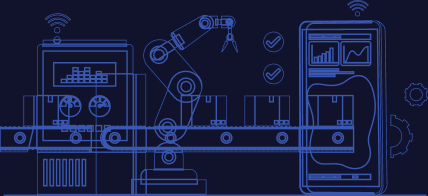
We bring expertise across AI, Industrial IoT, cloud, data, automation and enterprise application engineering.
We understand factory operations, production workflows, quality, maintenance, enterprise systems and industrial technology.
We connect machines, PLCs, SCADA, MES and enterprise platforms to create a unified technology environment.
We apply AI, computer vision, predictive analytics and intelligent automation to real manufacturing challenges.
Our engineering teams support complex environments with secure architecture, quality engineering, governance and structured delivery.
Our global delivery model combines international engineering expertise with teams that understand regional manufacturing requirements.
Manufacturing Technology Stack
Connect machines, operational systems, data and enterprise platforms through an integrated technology architecture for modern manufacturing.
Manufacturing Technology Stack
Enterprise
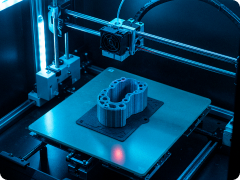
CNC systems, robotics, sensors and connected equipment generating real-time operational data.
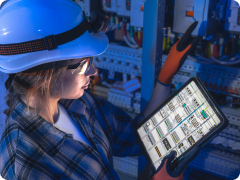
Industrial control systems, edge computing and real-time monitoring connecting the factory floor.
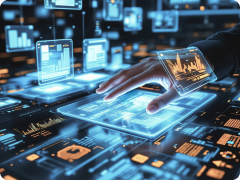
Industrial IoT platforms, data collection, streaming and centralized operational data management.
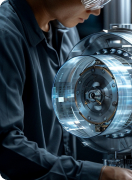
Production tracking, OEE, quality, traceability, work orders and shop-floor execution.
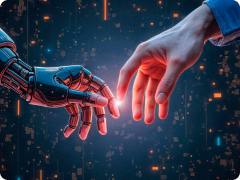
AI, machine learning, computer vision, digital twins and predictive analytics for smarter decisions.
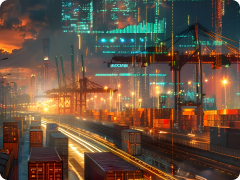
Production planning, inventory, procurement and integration with enterprise business systems.

Unified insights, performance management and data-driven decision-making across the enterprise.
Technologies We Work With Across the Stack
Case Studies
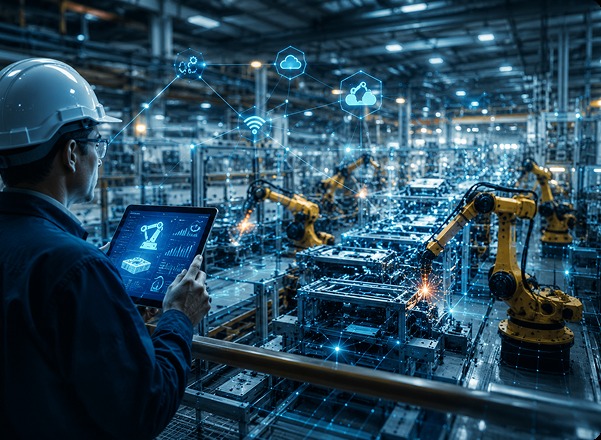
CASE STUDY 1 — GLOBAL MANUFACTURING ENTERPRISE
Modernizing factory operations through real-time monitoring, predictive maintenance, and operational intelligence.
30%
Downtime Reduction
24/7
Factory Monitoring
Real-Time
Operational Insights
Connected
Factory Ecosystem
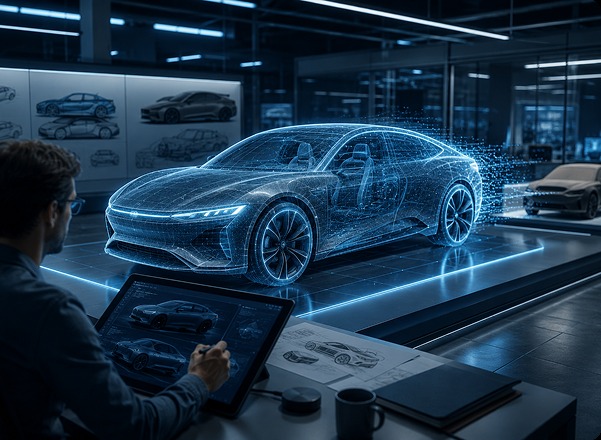
CASE STUDY 2 — LEADING AUTOMOTIVE MANUFACTURER
Accelerating product innovation through AI-driven design automation, digital prototyping, and engineering intelligence.
60%
Design Acceleration
AI-Powered
Concept Generation
Faster
Design Cycles
Enterprise
Design Platform
CASE STUDY 3 — GLOBAL INDUSTRIAL MANUFACTURER
Enhancing production efficiency through AI-powered robotics, computer vision, and intelligent automation.
40%
Process Efficiency
AI-Driven
Quality Control
24/7
Production Operations
Reduced
Manual Efforts
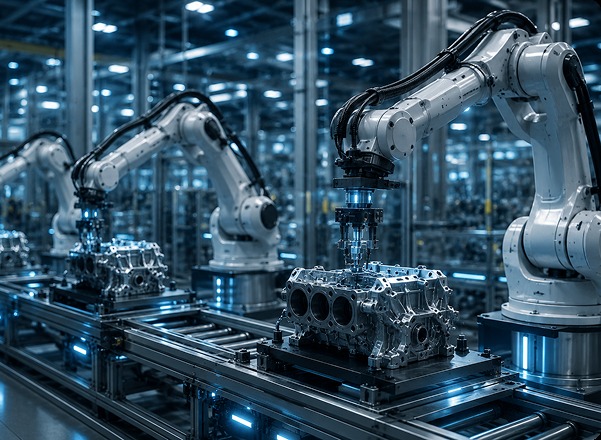
CASE STUDY 4 — GLOBAL AEROSPACE MANUFACTURER
Creating virtual replicas of physical assets for real-time simulation, predictive maintenance, and performance optimization.
Real-Time
Vehicle Analytics
Connected
EV Ecosystem
Advanced
Battery Insights
Scalable
Manufacturing Platform
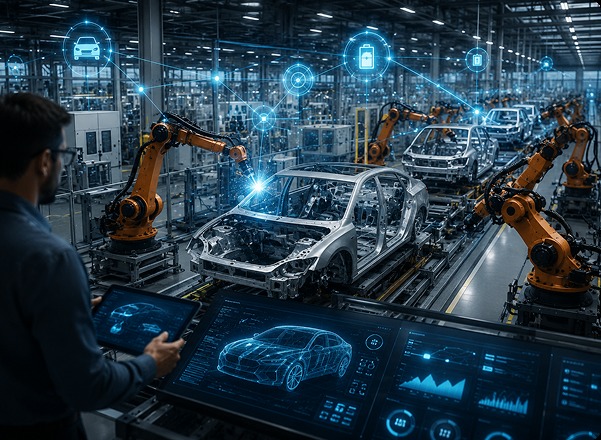
CASE STUDY 5 — GLOBAL CONSUMER GOODS COMPANY
Integrating manufacturing operations with supply chain intelligence for end-to-end production visibility and optimization.
35%
Maintenance efficiency
Real-Time
Asset Monitoring
Reduced
Equipment Downtime
Global
Operations Visibility
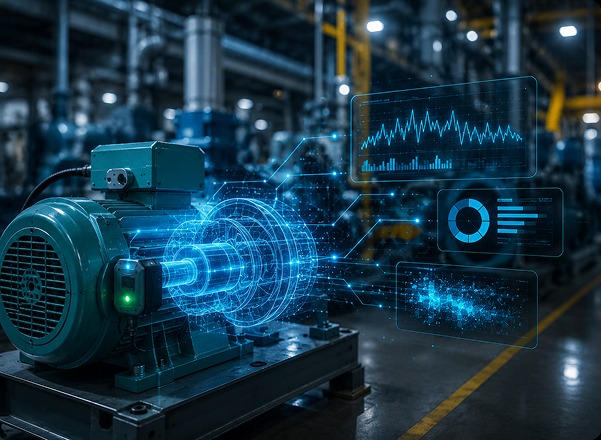
Blogs & Insights
 Design
How do you create compelling presentations that wow your colleagues and impress your managers?
Read More Product
How do you create compelling presentations that wow your colleagues and impress your managers?
Read More Software
How do you create compelling presentations that wow your colleagues and impress your managers?
Read MoreFAQ
Have questions about modernizing manufacturing operations? Explore the answers enterprises ask most.
Manufacturing software development involves building and modernizing digital systems for production, quality, maintenance, inventory and other manufacturing operations.
MES software development creates systems that connect shop-floor operations with production planning, work orders, quality, traceability and real-time production data.
AI can support predictive maintenance, quality inspection, demand forecasting, production planning, anomaly detection and intelligent operational decision-making.
Industrial IoT connects machines, sensors and equipment to software platforms so manufacturers can capture and analyze real-time operational data.
IT/OT integration connects enterprise systems such as ERP and analytics platforms with operational technologies such as PLCs, SCADA, MES and industrial equipment.
Computer vision can automate visual inspection, detect defects, monitor production processes and support quality and safety operations.
Digital twins are virtual representations of physical assets, production lines or facilities used for simulation, monitoring, analysis and operational planning.
Predictive maintenance uses equipment and sensor data to identify patterns that may indicate potential failures, allowing maintenance teams to act before unexpected downtime occurs.
Yes. Legacy MES, ERP and factory systems can be modernized through APIs, cloud, data platforms, microservices and integration with newer AI and IoT capabilities.
Programming.com can provide engineering teams and technology capabilities across MES, ERP, Industrial IoT, AI, cloud, data, automation, digital twins and enterprise integration to support connected manufacturing operations.


